Archive
Do not use Safety Deposit Boxes
U.S DEPARTMENT OF HOMELAND SECURITY HAS TOLD BANKS – IN WRITING – IT MAY INSPECT SAFE DEPOSIT BOXES WITHOUT WARRANT AND SEIZE ANY GOLD, SILVER, GUNS OR OTHER VALUABLES IT FINDS INSIDE THOSE BOXES!

According to in-house memos now circulating, the DHS has issued orders to banks across America which announce to them that “under the Patriot Act” the DHS has the absolute right to seize, without any warrant whatsoever, any and all customer bank accounts, to make “periodic and unannounced” visits to any bank to open and inspect the contents of “selected safe deposit boxes.”
Further, the DHS “shall, at the discretion of the agent supervising the search, remove, photograph or seize as evidence” any of the following items “bar gold, gold coins, firearms of any kind unless manufactured prior to 1878, documents such as passports or foreign bank account records, pornography or any material that, in the opinion of the agent, shall be deemed of to be of a contraband nature.”
DHS memos also state that banks are informed that any bank employee, on any level, that releases “improper” “classified DHS Security information” to any member of the public, to include the customers whose boxes have been clandestinely opened and inspected and “any other party, to include members of the media” and further “that the posting of any such information on the internet will be grounds for the immediate termination of the said employee or employees and their prosecution under the Patriot Act.” Safety deposit box holders and depositors are not given advanced notice when failed banks shut their doors.
If people have their emergency money in a safe deposit box or an account in a bank that closes, they will not be allowed into the Read more…
40,000 FBI Intelligence Violations from 2001 – 2008
Executive Summary
 In a review of nearly 2,500 pages of documents released by the Federal Bureau of Investigation as a result of litigation under the Freedom of Information Act, EFF uncovered alarming trends in the Bureau’s intelligence investigation practices. The documents consist of reports made by the FBI to the Intelligence Oversight Board of violations committed during intelligence investigations from 2001 to 2008. The documents suggest that FBI intelligence investigations have compromised the civil liberties of American citizens far more frequently, and to a greater extent, than was previously assumed. In particular, EFF’s analysis provides new insight into:
Number of Violations Committed by the FBI
- From 2001 to 2008, the FBI reported to the IOB approximately 800 violations of laws, Executive Orders, or other regulations governing intelligence investigations, although this number likely significantly under-represents the number of violations that actually occurred.
- From 2001 to 2008, the FBI investigated, at minimum, 7000 potential violations of laws, Executive Orders, or other regulations governing intelligence investigations.
- Based on the proportion of violations reported to the IOB and the FBI’s own statements regarding the number of NSL violations that occurred, the actual number of violations that may have occurred from 2001 to 2008 could approach 40,000 possible violations of law, Executive Order, or other regulations governing intelligence investigations.1
Substantial Delays in the Intelligence Oversight Process Read more…
California Residents Hit With Government Ban On Paying By Cash
District officials want to find out who “uncommonly antagonistic” individuals are by tracing requests for public records, while federal government paints cash users as potential terrorists
Steve Watson
Prisonplanet.com
Jan 27, 2011
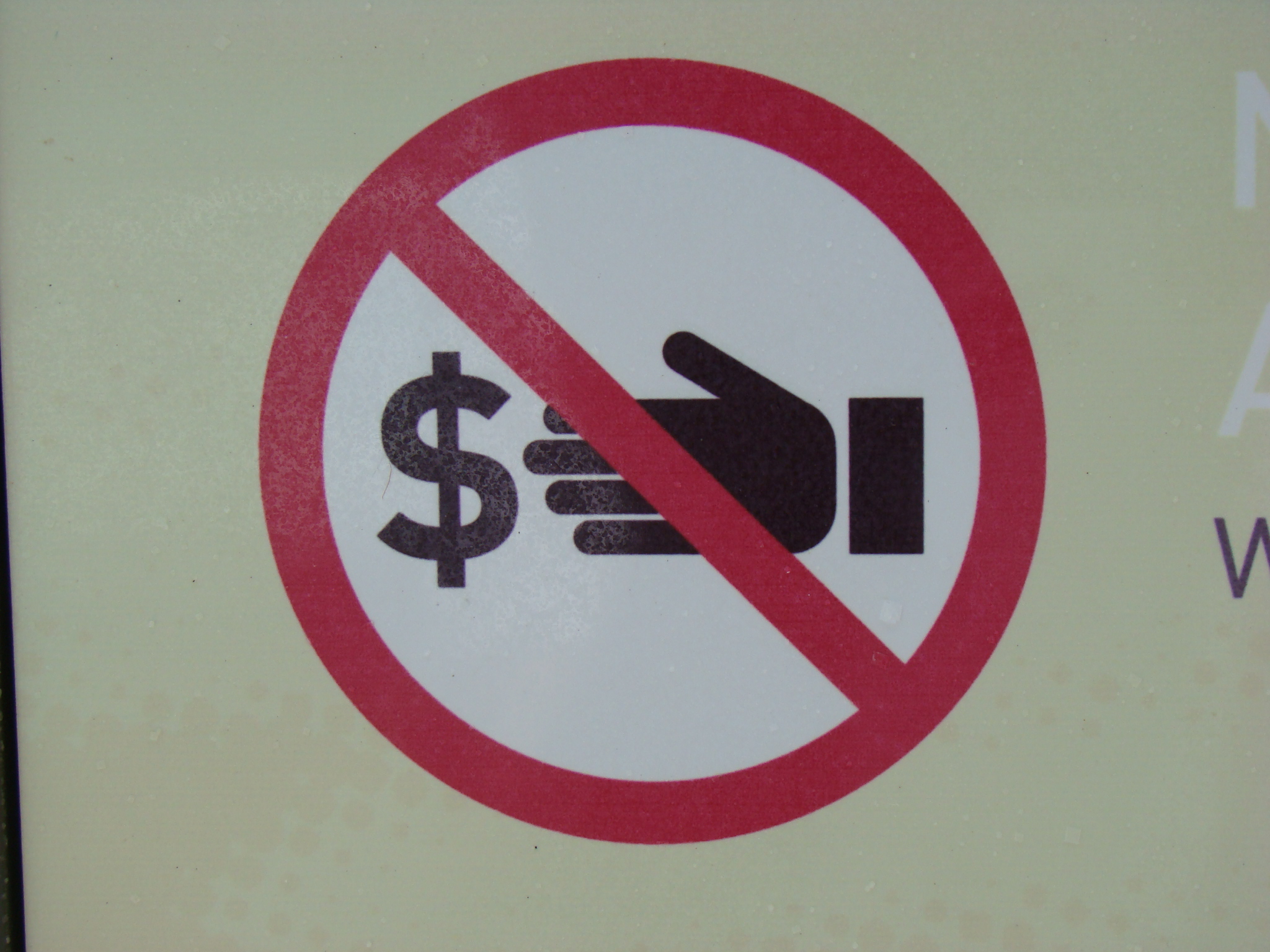 Residents of Discovery Bay, California will be the first in the country to be officially denied the right to use cash to pay for public services, in a move that echoes the Department of Homeland Security’s drive to depict those who use physical money as potential terrorists.
As reported by the Contra Costa Times recently, from May onwards, residents will no long be allowed to pay water bills or purchase park permits after the Discovery Bay Community Services District board voted to ban cash transactions for all services.
Anyone paying for such public services must do so with a credit/debit card, a check or money order.
The declaration on all US money bills that “This note is legal tender for all debts, public and private” will no longer apply in Discovery Bay when it comes to paying the government.
One former director on the District Board told the Times that he believes the move has come in response to a small amount of anonymous requests for copies of public records, which were then paid for in cash, a perfectly legal right.
Residents of the town have been described as “uncommonly antagonistic toward local government”, and former director David Piepho believes some are attempting to use public records “to be like snipers and take shots.”
He believes that by banning cash payments, the local government will be able to identify who these individuals are or prevent them from requesting further public information.
However, district representatives have denied those claims, instead suggesting that the ban is being put in place because handling cash puts city officials under threat from potential thieves. Read more…
Domestic use of aerial drones by law enforcement likely to prompt privacy debate
 AUSTIN – The suspect’s house, just west of this city, sat on a hilltop at the end of a steep, exposed driveway. Agents with the Texas Department of Public Safety believed the man inside had a large stash of drugs and a cache of weapons, including high-caliber rifles.
As dawn broke, a SWAT team waiting to execute a search warrant wanted a last-minute aerial sweep of the property, in part to check for unseen dangers. But there was a problem: The department’s aircraft section feared that if it put up a helicopter, the suspect might try to shoot it down.
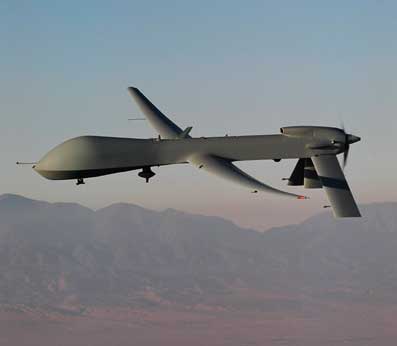
So the Texas agents did what no state or local law enforcement agency had done before in a high-risk operation: They launched a drone. A bird-size device called a Wasp floated hundreds of feet into the sky and instantly beamed live video to agents on the ground. The SWAT team stormed the house and arrested the suspect.
“The nice thing is it’s covert,” said Bill C. Nabors Jr., chief pilot with the Texas DPS, who in a recent interview described the 2009 operation for the first time publicly. “You don’t hear it, and unless you know what you’re looking for, you can’t see it.”
The drone technology that has revolutionized warfare in Iraq, Afghanistan and Pakistan is entering the national airspace: Unmanned aircraft are patrolling the border with Mexico, searching for missing persons over difficult terrain, flying into hurricanes to collect weather data, photographing traffic accident scenes and tracking the spread of forest fires. Read more…
Court Rules Government Can Keep Naked Body Scanner Images Secret
Admission that images can be stored, transmitted proves TSA lied
Steve Watson
Infowars.net
Friday, Jan 14th, 2011

A federal judge has ruled that the Department of Homeland Security can keep images produced by x-ray body scanners out of the public domain, in a blow to privacy group The Electronic Privacy Information Center’ s (EPIC) efforts to release more than 2000 of the images that show intimate details of airport travelers’ bodies.
Judge Ricardo Urbina ruled that the DHS does not have to comply with the Freedom of Information Act request to disclose the naked images of those who were screened at airport checkpoints, nor does the government have to release any other related materials.
The judge granted the government’s motion to conclude the lawsuit, issuing a 15-page explanation noting Read more…


![[Most Recent Quotes from www.kitco.com]](https://i0.wp.com/www.kitconet.com/charts/metals/gold/t24_au_en_usoz_2.gif)
![[Most Recent Quotes from www.kitco.com]](https://i0.wp.com/www.kitconet.com/charts/metals/silver/t24_ag_en_usoz_2.gif)

 crisisboom
 CRISISBOOM
You must be logged in to post a comment.