
 (MIT).
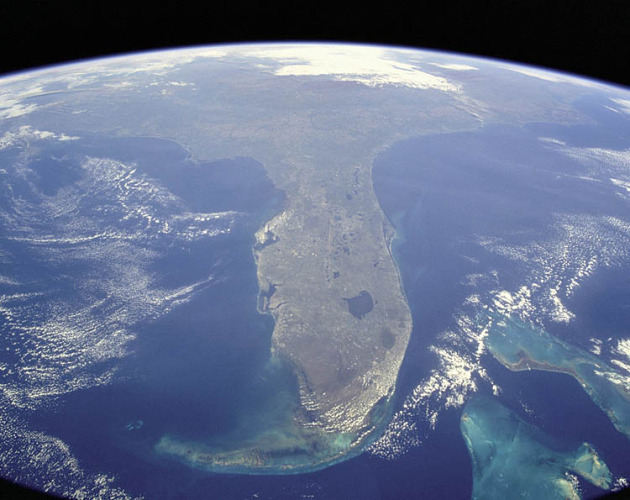
 at Florida Atlantic University and also a presenter at the conference told his audience “(c)limate change for us in Florida is not a future problem….it’s a current problem.” Berry used photos from 2012 flooding to demonstrate his point.
 Imagine India in 2033. It has overtaken China as the most populous nation. Yet with 1.5 billion citizens to feed, it’s been three years since the last monsoon. Without rain, crops die and people starve.

 Roger Barnes rescues a friend’s surfboard from a flooded home in the Brisbane suburb of Newmarket on Monday.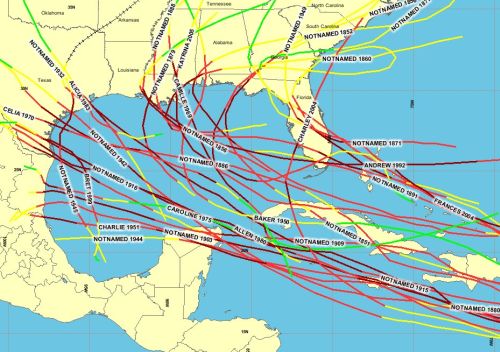

The idea that a changing climate can persuade the ground to shake, volcanoes to rumble and tsunamis to crash on to unsuspecting coastlines seems, at first, to be bordering on the insane. How can what happens in the thin envelope of gas that shrouds and protects our world possibly influence the potentially Earth-shattering processes that operate deep beneath the surface? The fact that it does reflects a failure of our imagination and a limited understanding of the manner in which the different physical components of our planet – the atmosphere, the oceans, and the solid Earth, or geosphere – intertwine and interact.
If we think about climate change at all, most of us do so in a very simplistic way: so, the weather might get a bit warmer; floods and droughts may become more of a problem and sea levels will slowly creep upwards. Evidence reveals, however, that our planet is an almost unimaginably complicated beast, which reacts to a dramatically changing climate in all manner of different ways; a few – like the aforementioned – straightforward and predictable; some Read more…
 A team from MIT and Princeton University says that such storms could make landfall far more frequently, causing powerful, devastating storm surges every three to 20 years.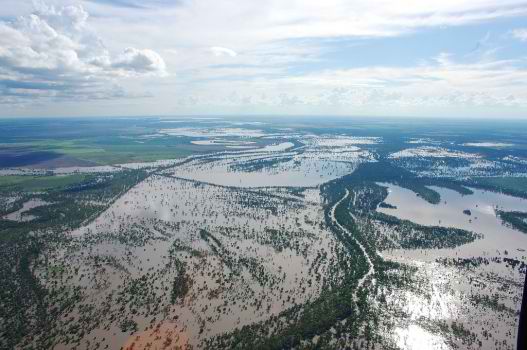


![[Most Recent Quotes from www.kitco.com]](https://i0.wp.com/www.kitconet.com/charts/metals/gold/t24_au_en_usoz_2.gif)
![[Most Recent Quotes from www.kitco.com]](https://i0.wp.com/www.kitconet.com/charts/metals/silver/t24_ag_en_usoz_2.gif)

 crisisboom
 CRISISBOOM
You must be logged in to post a comment.